WISHBONE
About WishbonePlease note: this page is best viewed on desktop.
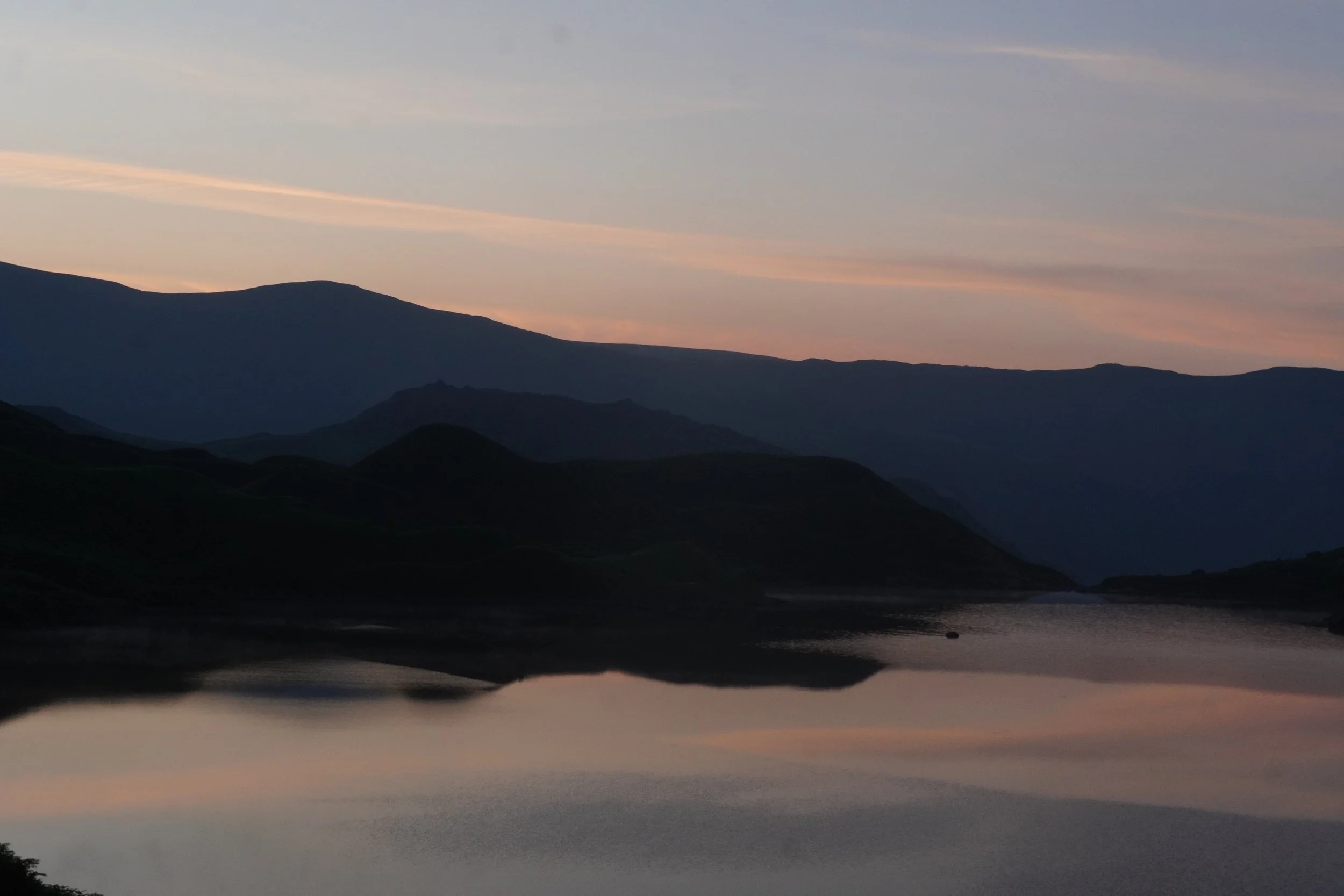
Wishbone is an audio-visual project made for my master’s degree. The score was made using field recordings, which were captured in the Lake District and the Derbyshire countryside. The footage was captured in the same places.
The project features interviews that discuss endings, new beginnings, death, and life.
My goal was to create something meaningful, something that would encourage the audience to consider the importance in their own lives.
The Making of Wishbone
Audio
Video
Interviews
research
AUDIO
Audio
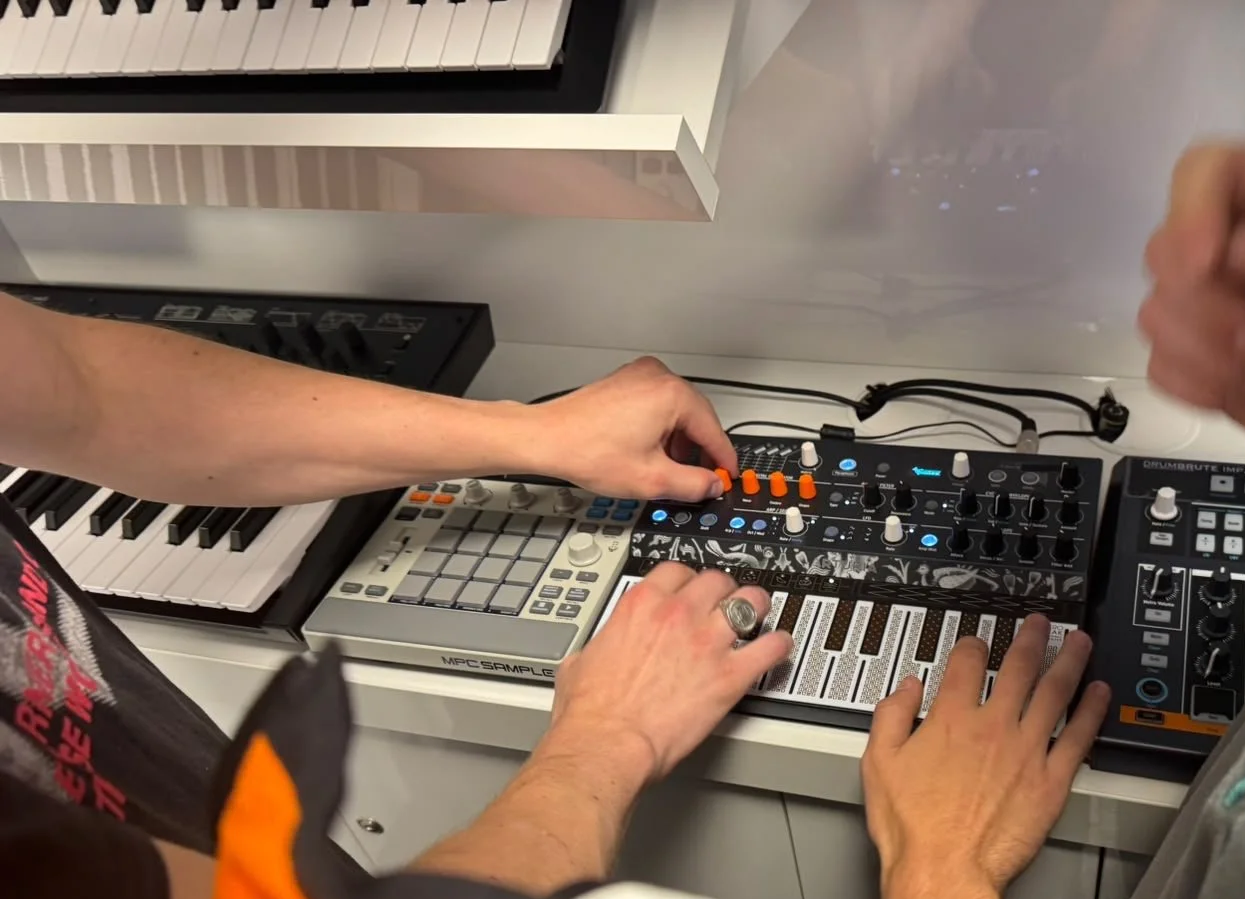
The audio composition of Wishbone was created with field recordings and virtual and acoustic instruments. The choice to focus on field recordings was to improve my compositional skills.
Field recordings provide incredibly unique sounds, some almost impossible to recreate digitally. This uniqueness is the highlight of composing with field recordings.
The field recordings were used in the following ways:
As instruments using granular synthesis.
As rhythmic devices with a sampler.
As background ambience.
Field recording instruments
This is the original, unaltered field recording of the river.
The field recording was placed into Granulator II in Ableton Live.
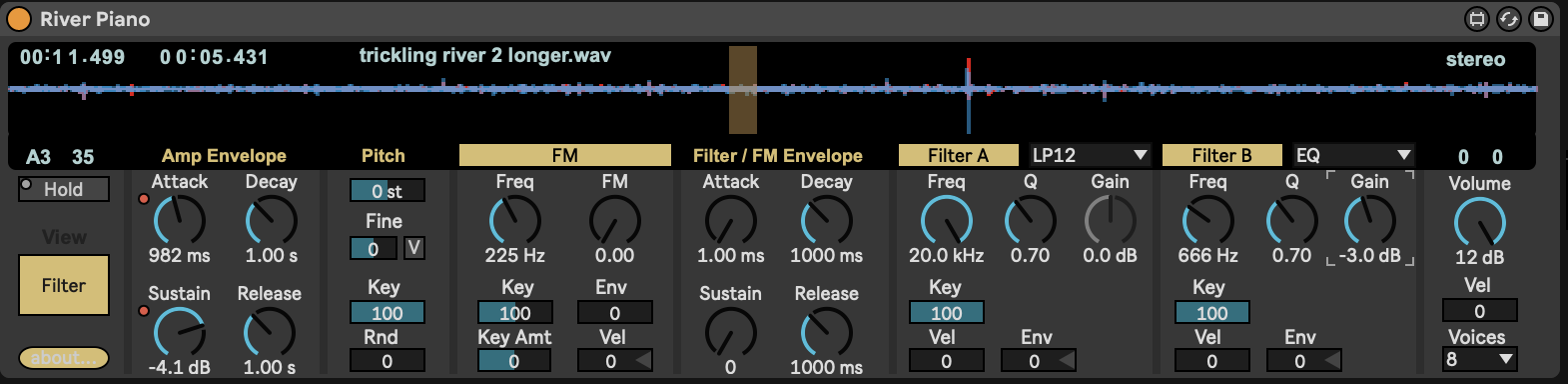
The following images show the Granulator II plugin with the river sample.
Granulator II filter settings.
-The amp envelope attack was slightly shortened and sustain was lowered to 4.1 dB. This allowed for quick note and sound changes.
-Granulator II uses two filters.
- Filter A is a low-pass filter set to 20 kHz with a 0.70 Q, removing high and harsh frequencies.
-Filter B is an EQ cutting -3.0 dB at 666 Hz, cleaning up the sound subtly.
The river recording run through Granulator II with filters.
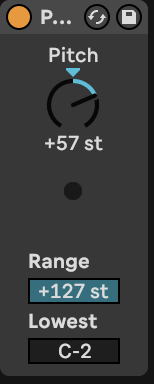
I then applied pitch shifter plugins and a filter plugin on the granulated field recording, as seen below.
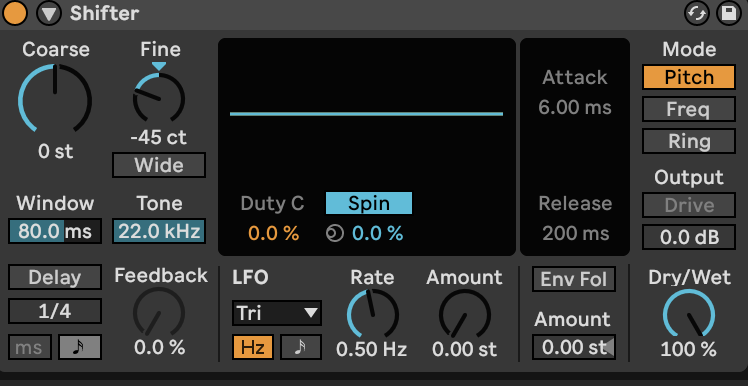
Pitch shift plugin settings.
-The role of the first pitch shift was to increase the frequency of the sample so that it was audible .
-The role of the second pitch shift was to fine-tune the sample frequency to match the scale of a MIDI keyboard.
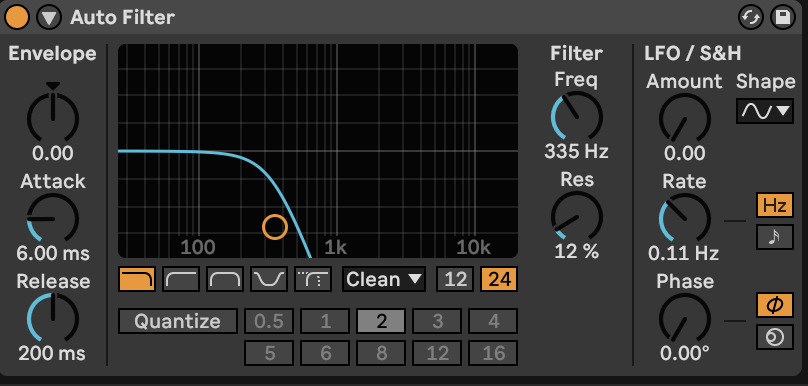
Auto-filter plugin settings.
-The auto-filter cut the harsh frequencies which were created when the frequency was increased by the pitch shifters.
-This high-cut filter resulted in a smoother and warmer sound, accentuating the lower frequencies.
Finally, I added a granular effects plugin called AutoChroma.
AutoChroma splits samples into multiple granular streams and applies effects to sounds.
The granulated sample was put into the plugin and split into two granular streams.
A short video demonstration of AutoChroma is below.
AutoChroma granule stream 2.
A new grain begins every 327 ms and lasts for 1.3 s. This means only 4 grains overlap at once, resulting in a less textured sound.
The grains are taken from 1.59 s into the sample, meaning frequencies that have already been heard are being played again.
The pitch is shifted up a perfect fifth.
There is a reverse setting applied at 48% which is responsible for the inflections and swells.
This is a demonstration of how I turned a field-recorded sound into an instrument using granular synthesis
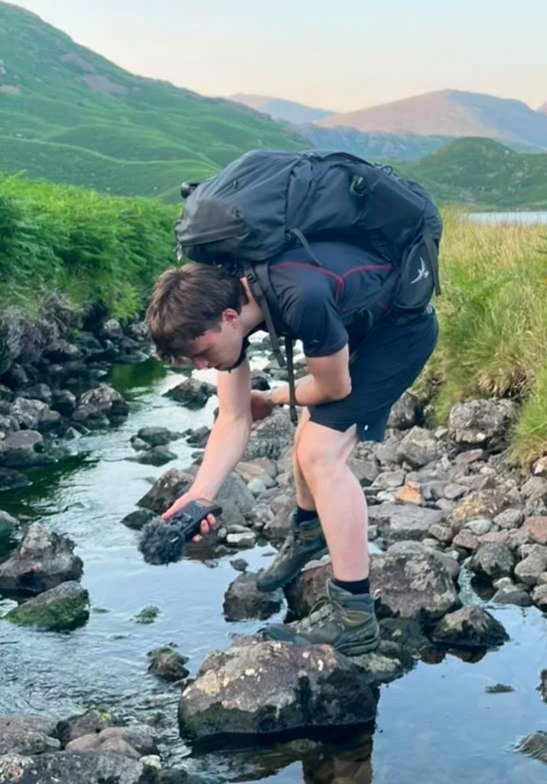
The example I will be using is a river sound that I turned into an atmospheric pad. A picture of the recording process can be seen on the right of this page.
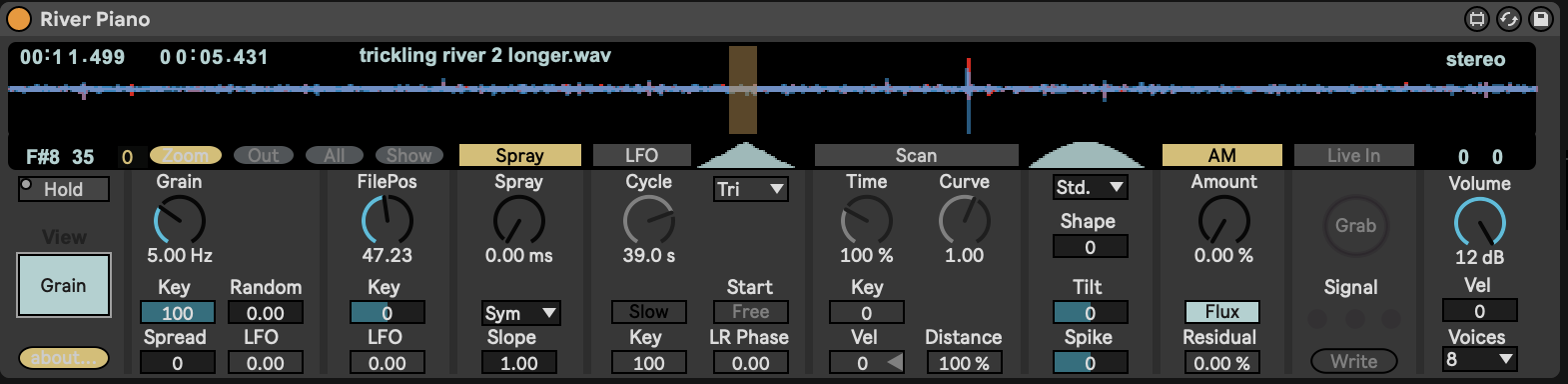
Granulator II grain settings.
The grain size is 5.00 Hz. This means only a short part, or granule, of the field recording was selected and repeated within the granulator.
-The file position is near the middle of the sample. Moving this away from large transients means the sound is smoother and therefore better suited to be an ambient pad.
The granulated sound with a filter.
AutoChroma granule stream 1.
A new grain begins every 21.3 ms and lasts for 292 ms. This means roughly 14 grains are heard at once in this stream. This is pitch-shifted up 24 semitones, resulting in high-frequency reflections.
This is the final pad sound.
VIDEO
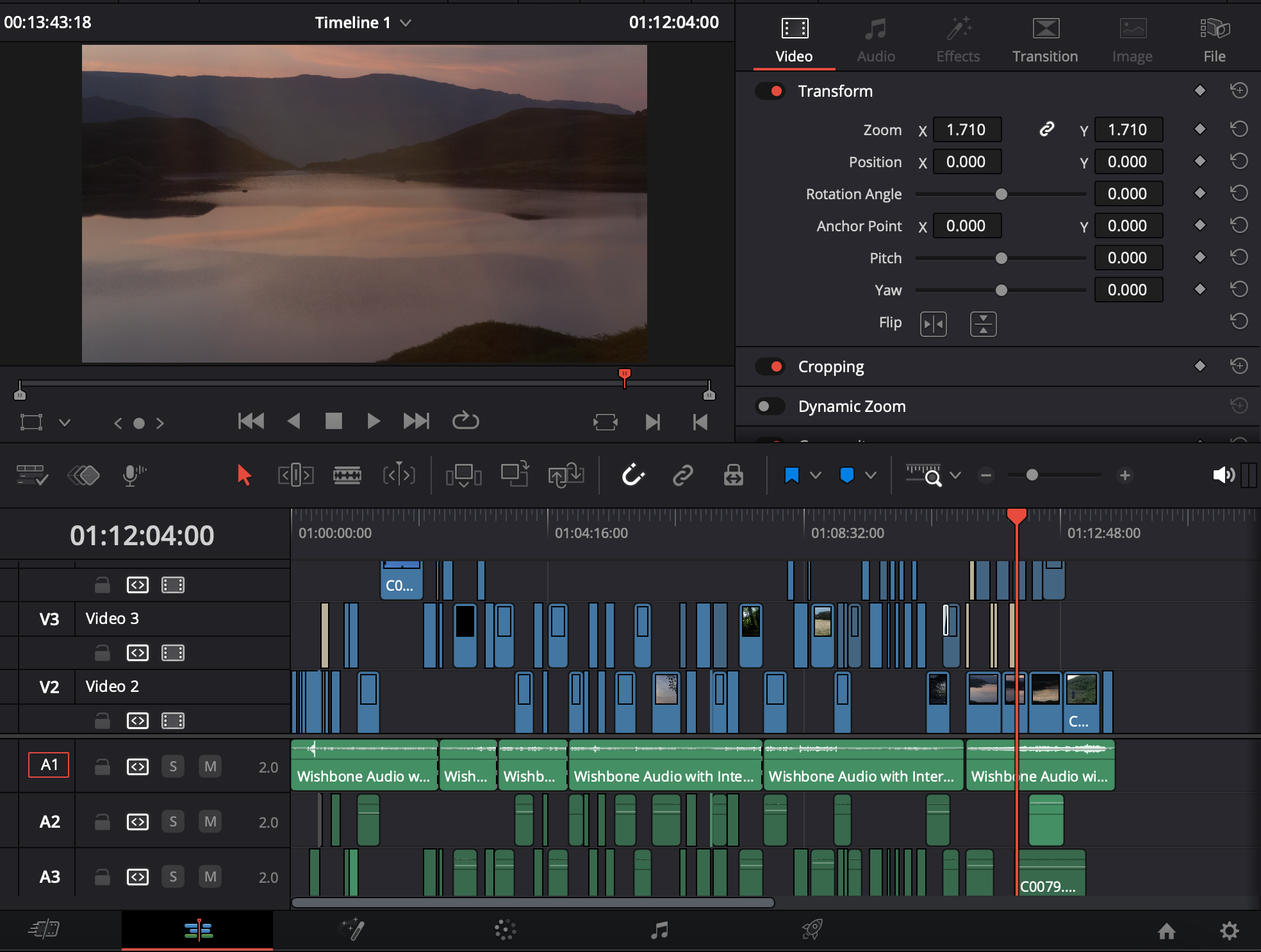
The visuals were edited in DaVinci Resolve 20, a screenshot of the project file can be seen to the right.
During some of the childhood scenes, I used composite mode to layer old videos onto newer videos to create a ‘memory’ look. I layered the videos using the opacity and colour bleed feature.
The built-in sound editing DAW, Fairlight, was useful for editing parts of added sound and added video audio, it also allowed me to automate volme levels throughout the project.
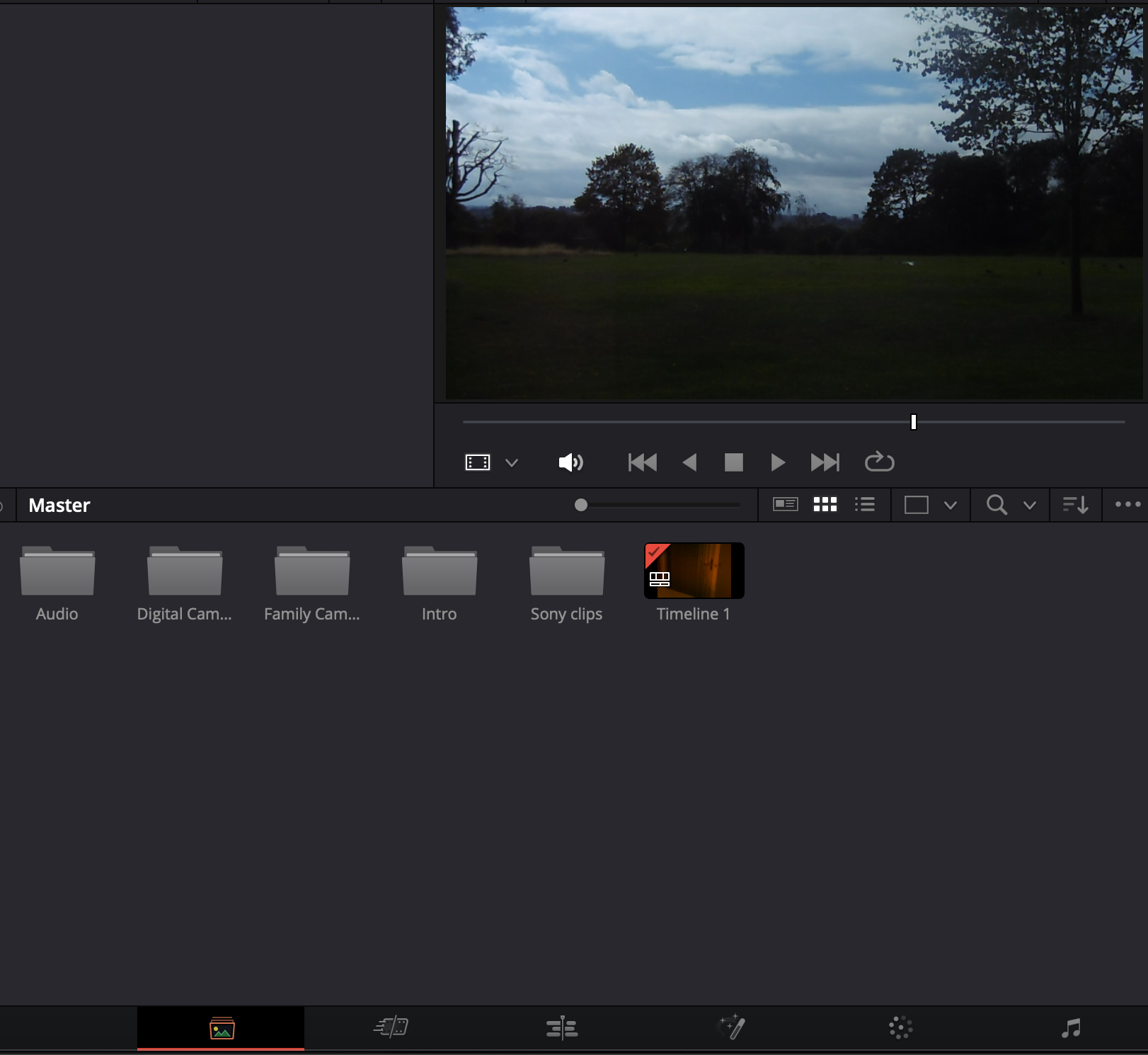
The DaVinci project was organised into categories, as seen here.
The different categories resulted in a clear editing process and allowed me to stick to my structure without having to search for clips.
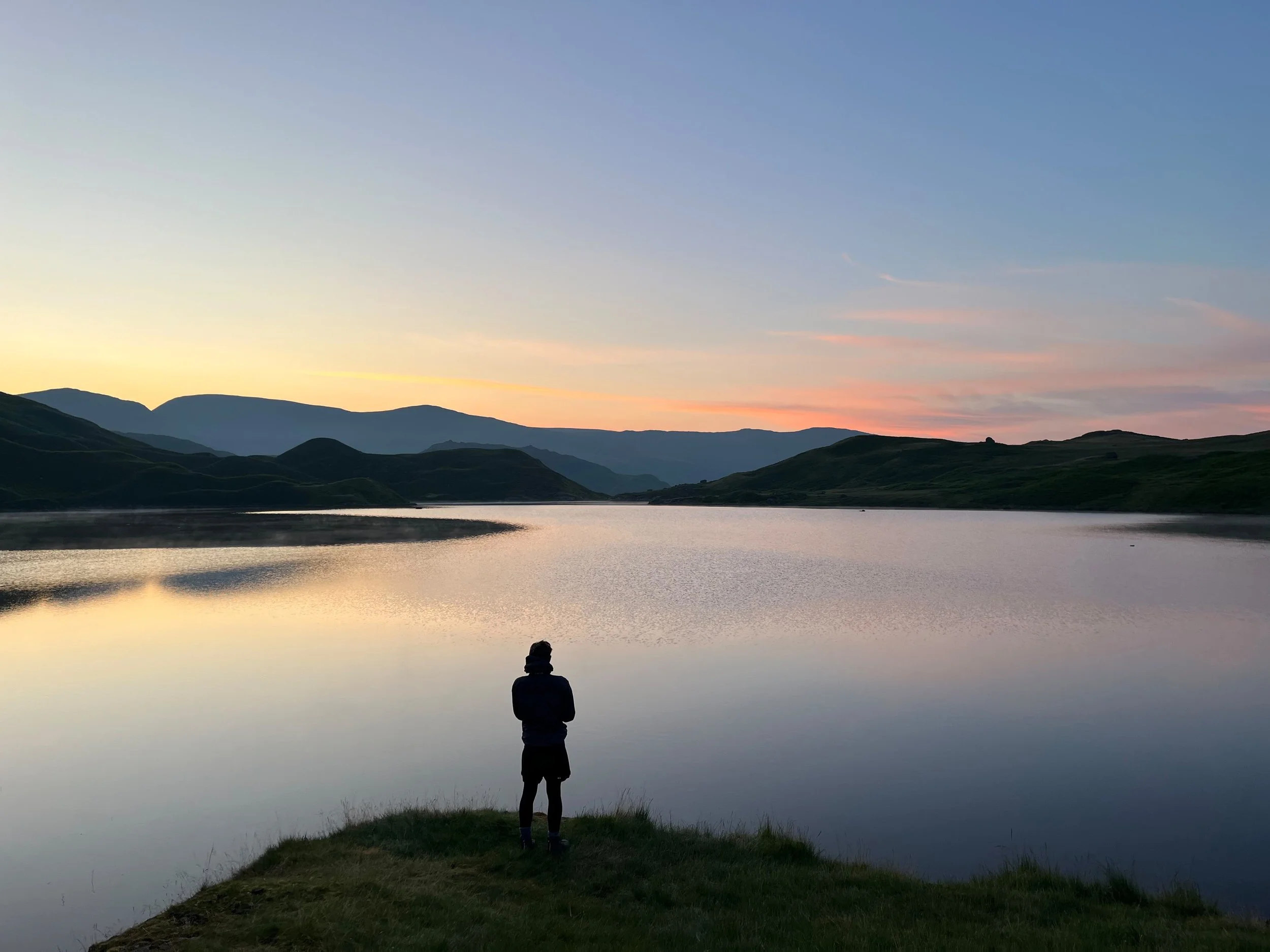
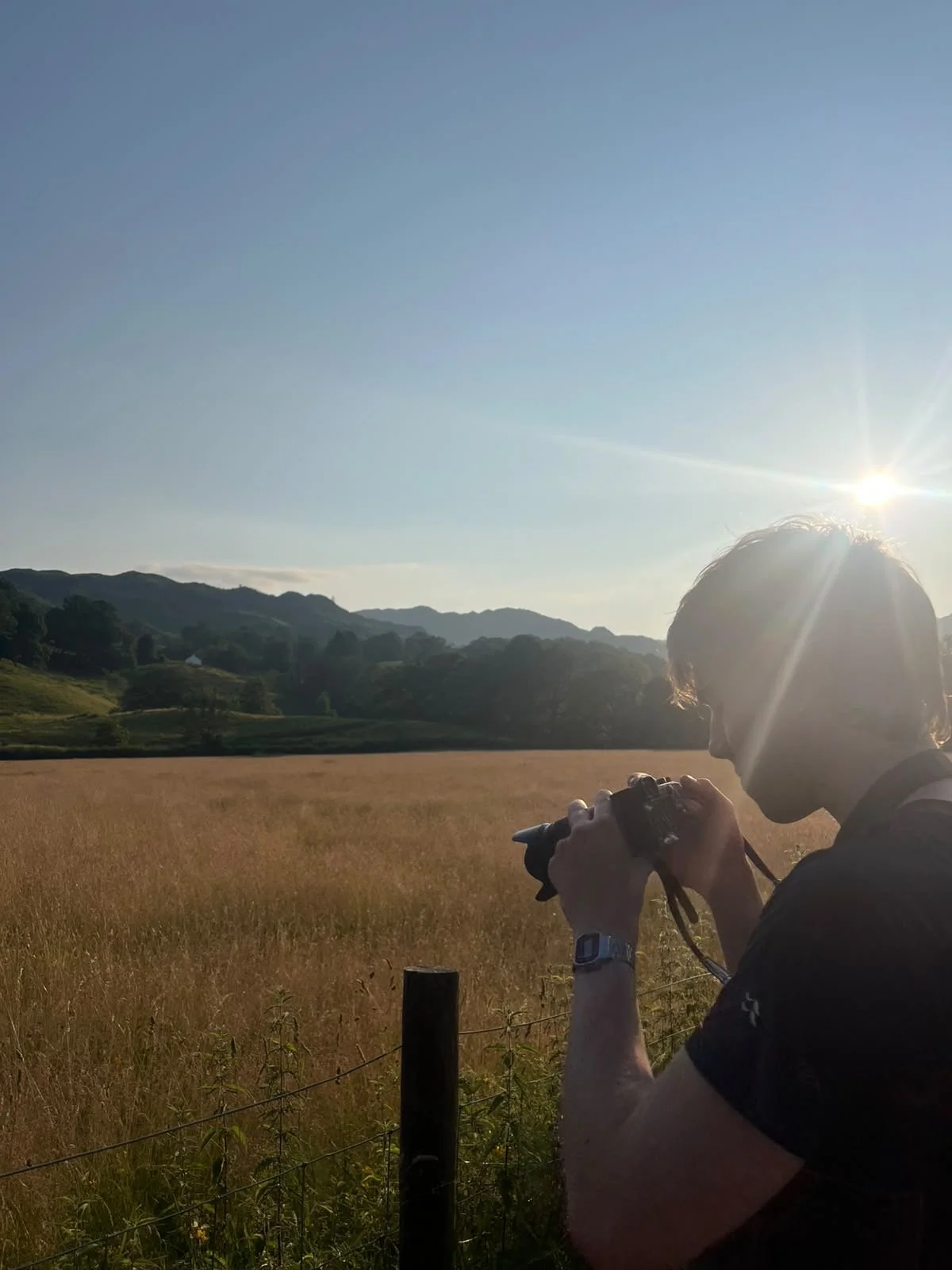
This is an image of me while filming in a wheat field in the Lake District.
It was important to capture these nature videos in somewhere that was naturally beautiful, such as the Lake District.
Most field recordings were captured at the same time as the clips.
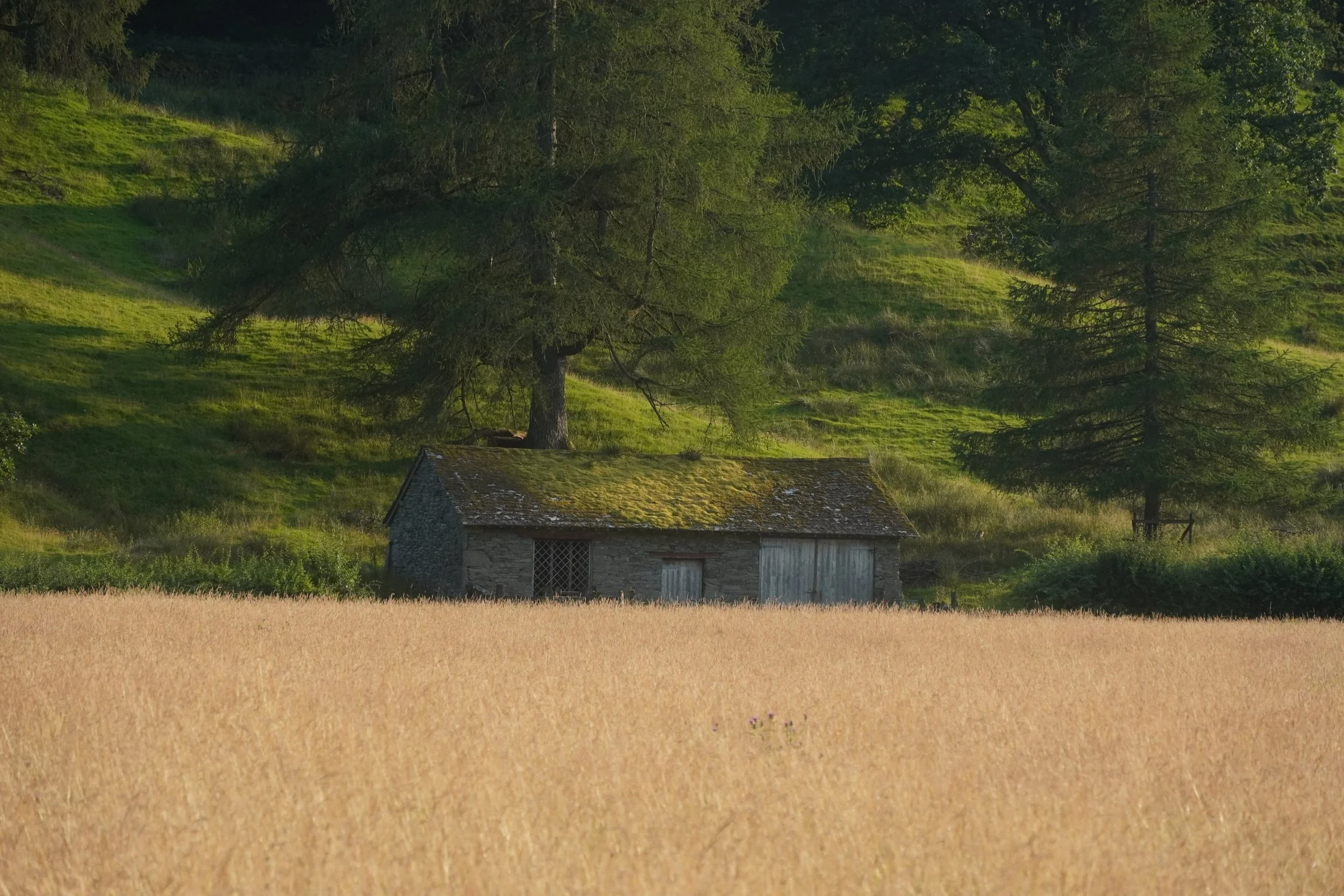
The scene I was capturing in this image was a wheat field.
I colour graded this scene in the film to appear warmer to match the style of the film.
The original clip and edited clip can be seen here.
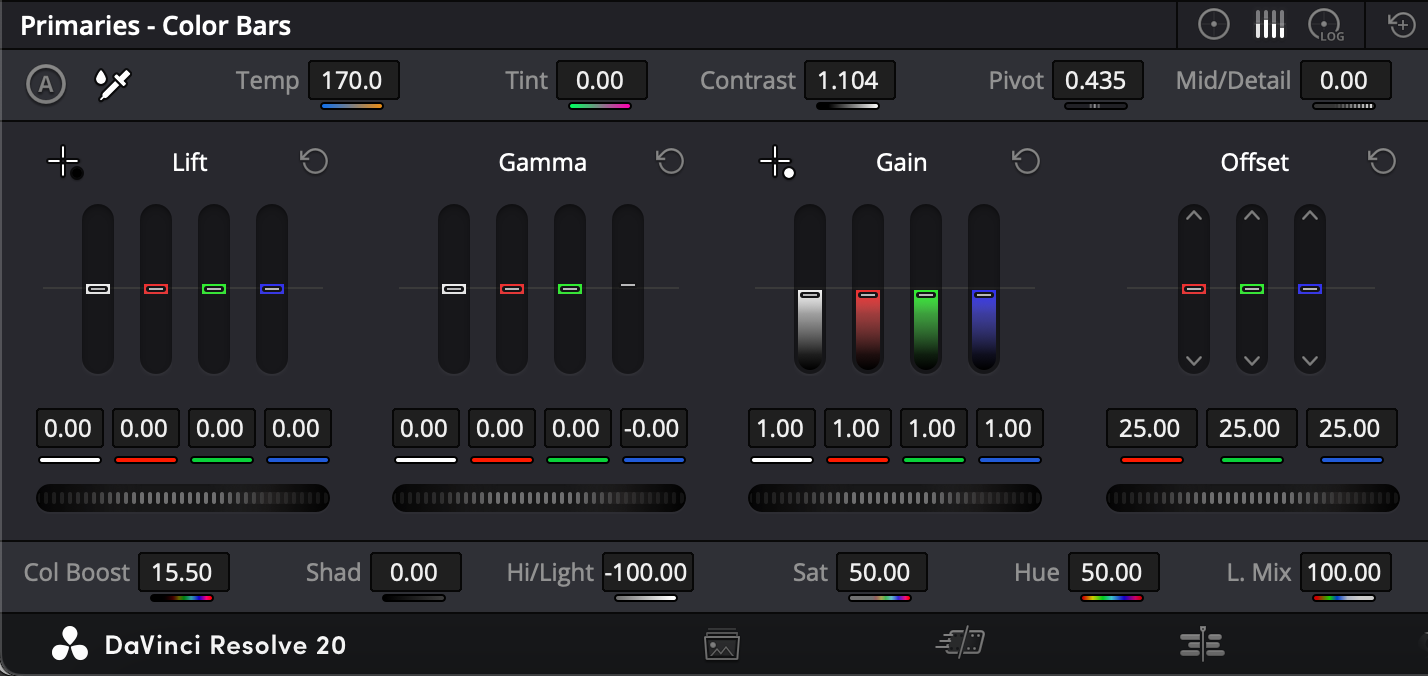
The colour grading settings can be seen here:
The temperature has been increased to accentuate the orange colours in the video.
The contrast has also been slightly increased to add depth.
The Hi/Light was decreased to -100 as the sky was too bright and lost detail.
The video clips in Wishbone were filmed mostly in the Lake District, with some in Derbyshire.
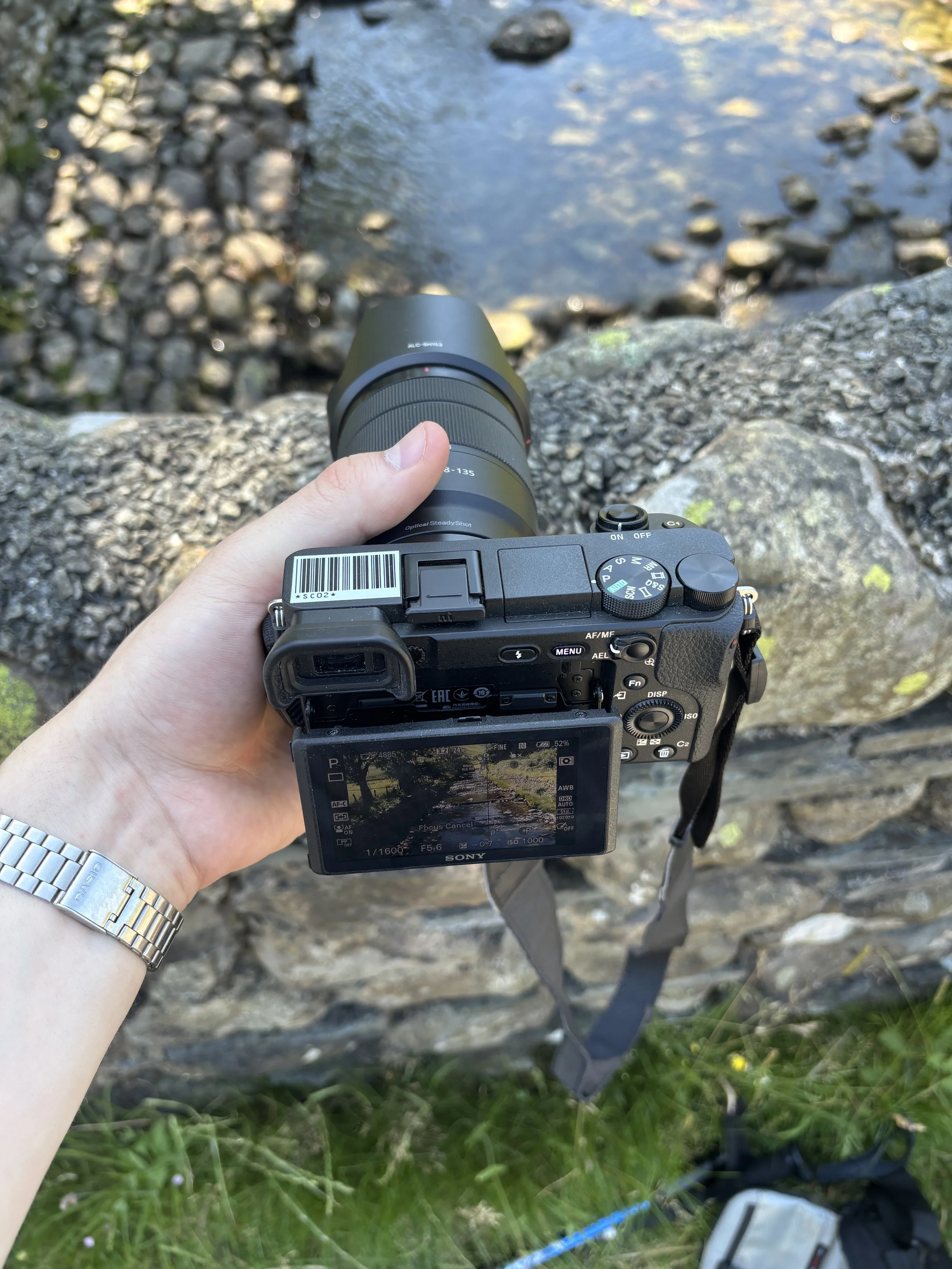
These were recorded using three different cameras. The primary camera was a Sony A6400, the other cameras were a Samsung camcorder and a Panasonic digital camera to provide the vintage analogue effect.
Interviews
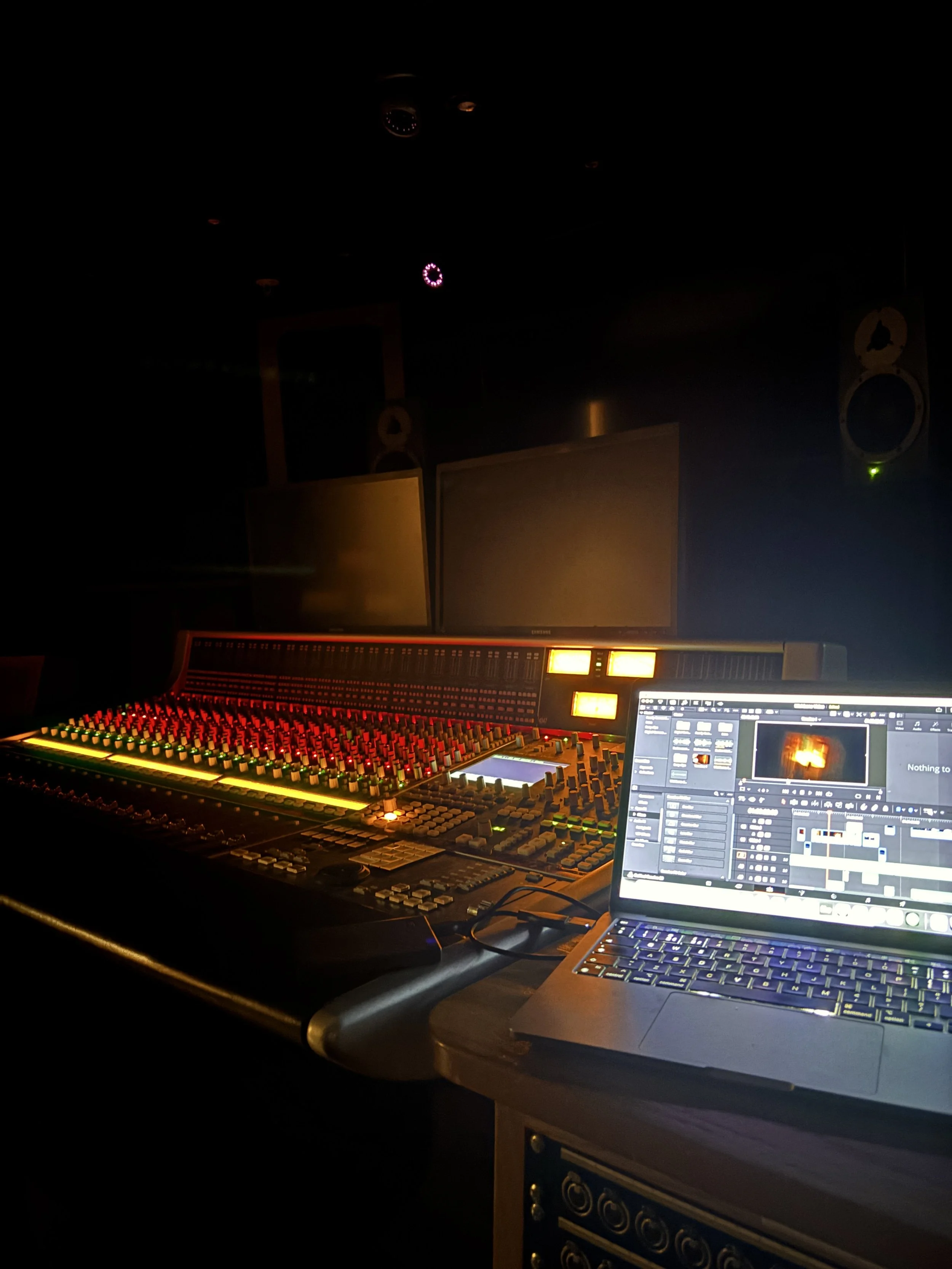
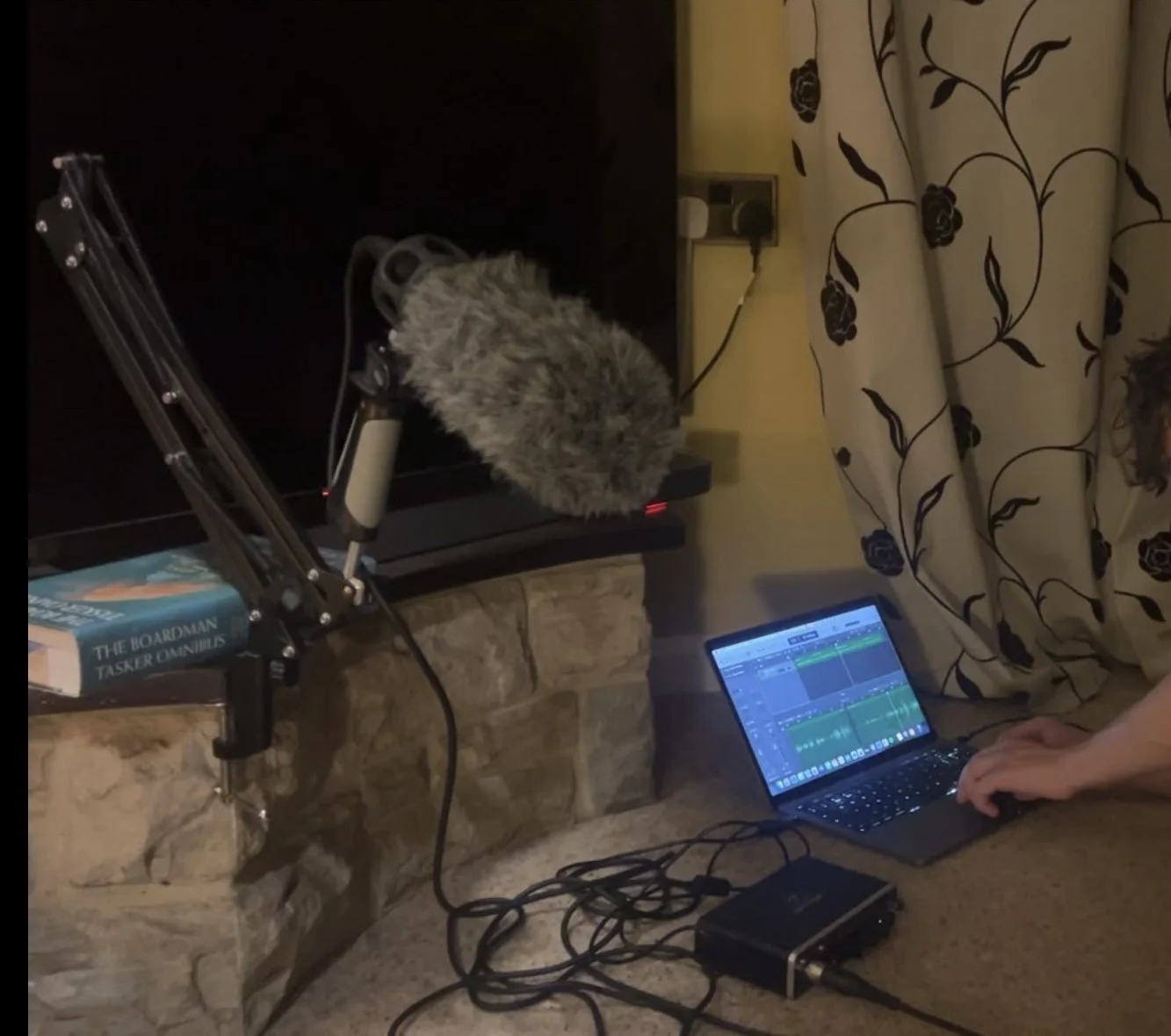
This picture shows the impromptu set-up to record one of the interviews.
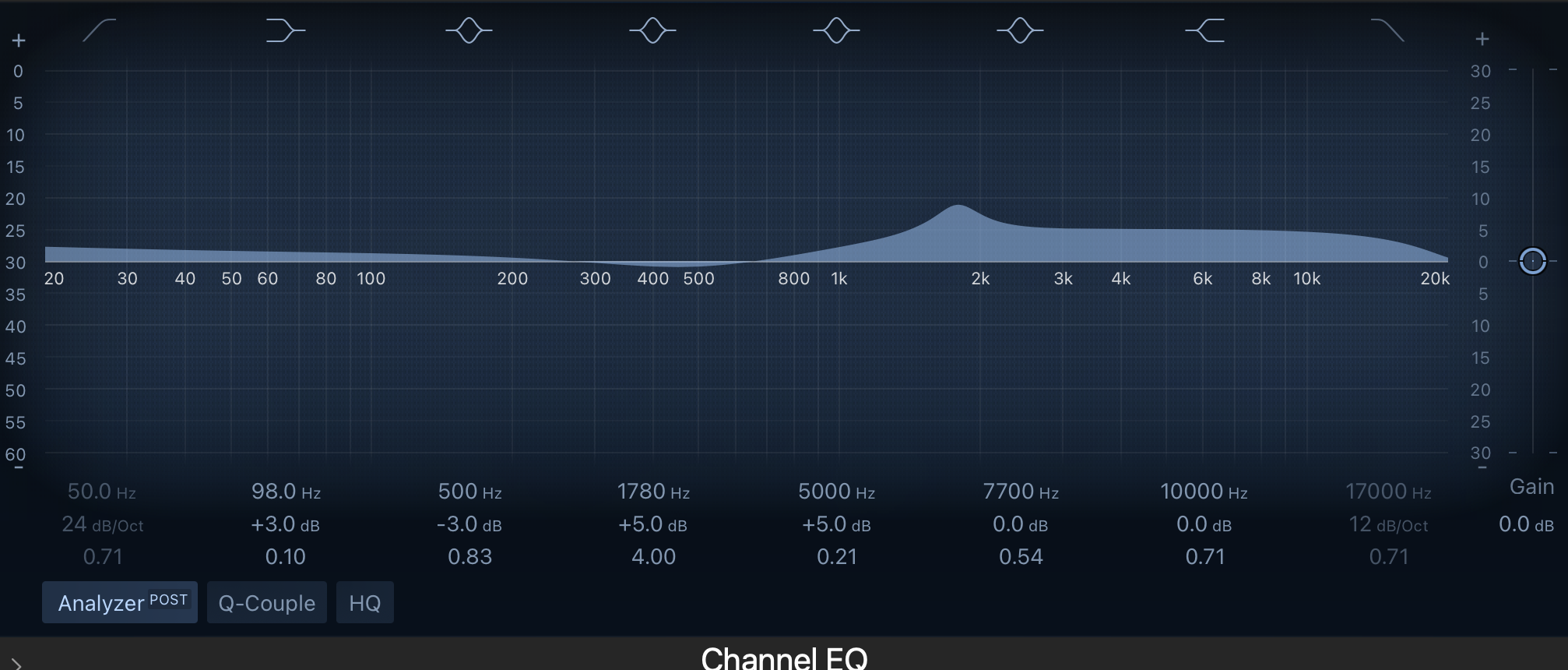
This image shows the EQ that was applied to all interview lines.
The high-pass filter removes rumble from the recording, and allows space for the interviews to be heard amongst the textured music.
The peak that can be seen at 2 kHz was applied to allow the interviews to cut through the music.
In addition to the EQ, both interviews required automated volume.
The interviews were recorded in my home with my personal microphone and equipment.
I didn’t want to record the interviews in a studio, as one of the themes of Wishbone was for the project to feel like a home tape. I wanted the project to feel unpolished and rough around the edges.
Research
Wishbone was influenced by a number of projects and research articles.
The field recordings aspect of the project was heavily inspired by Hildur Guðnadottir’s score for Chernobyl (2019), which was composed entirely using field recordings recorded in a decommissioned power plant. Guðnadottir manipulated these field recordings to sound like instruments which were used in the final score. I was most inspired by Guðnadottir’s philosophy of not affecting natural sound. When field recording, she would not interfere with the natural space so as to capture the most accurate recordings (2022). I used this technique in Wishbone, recoding only the natural souds inand not creating any noise myself.
The project was also influenced by Steven Feld's writing on field recording as a way of capturing a moment instead of just sound. Feld spent 20 years recording in Papua New Guinea and described his recordings as documenting a place's culture as much as its sound (2013). Michael Gallagher's work on field recording as a form of attentive listening to a location also influenced how I approached recording in the Lake District (2015).